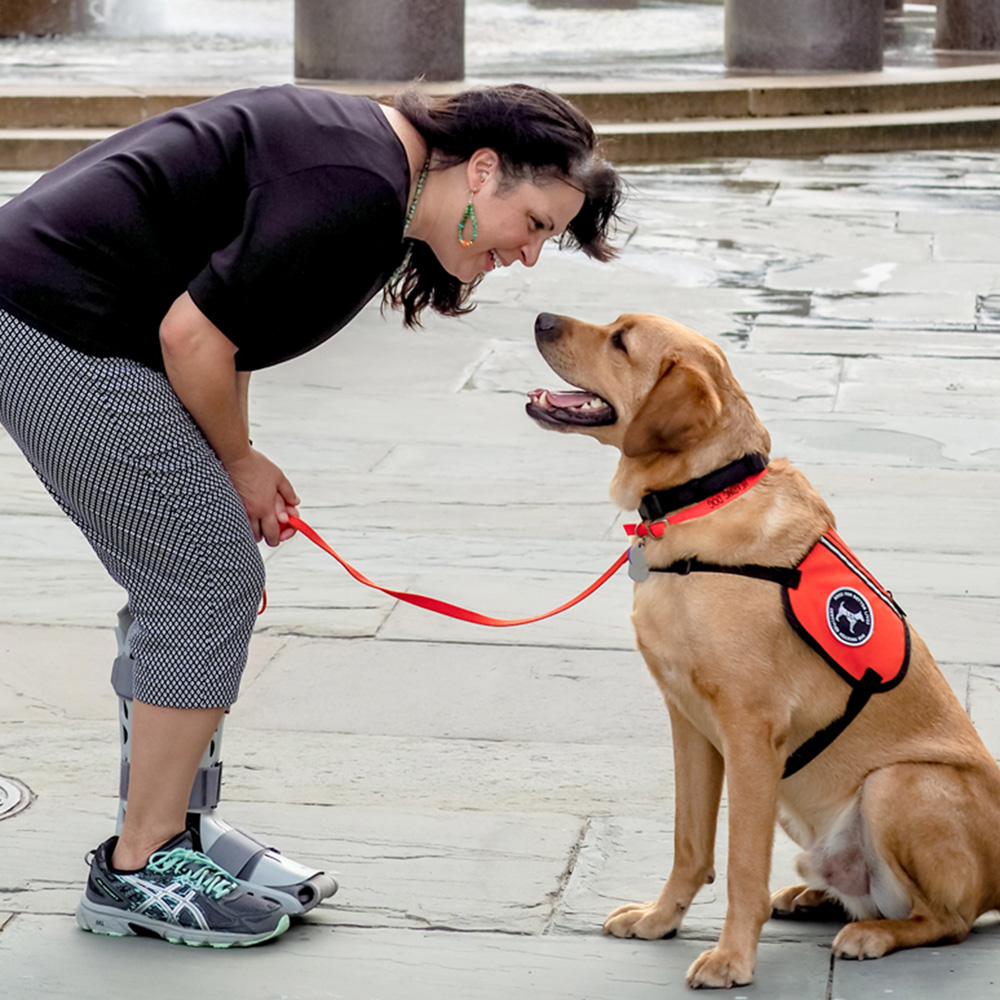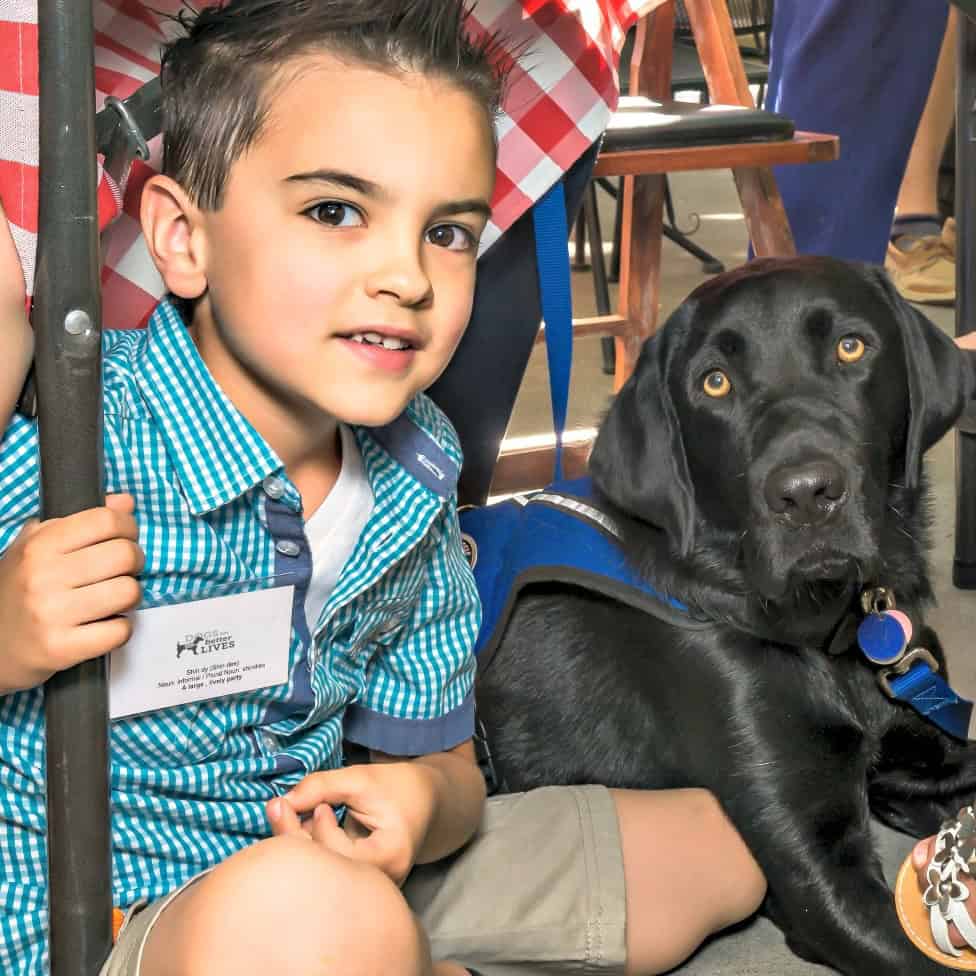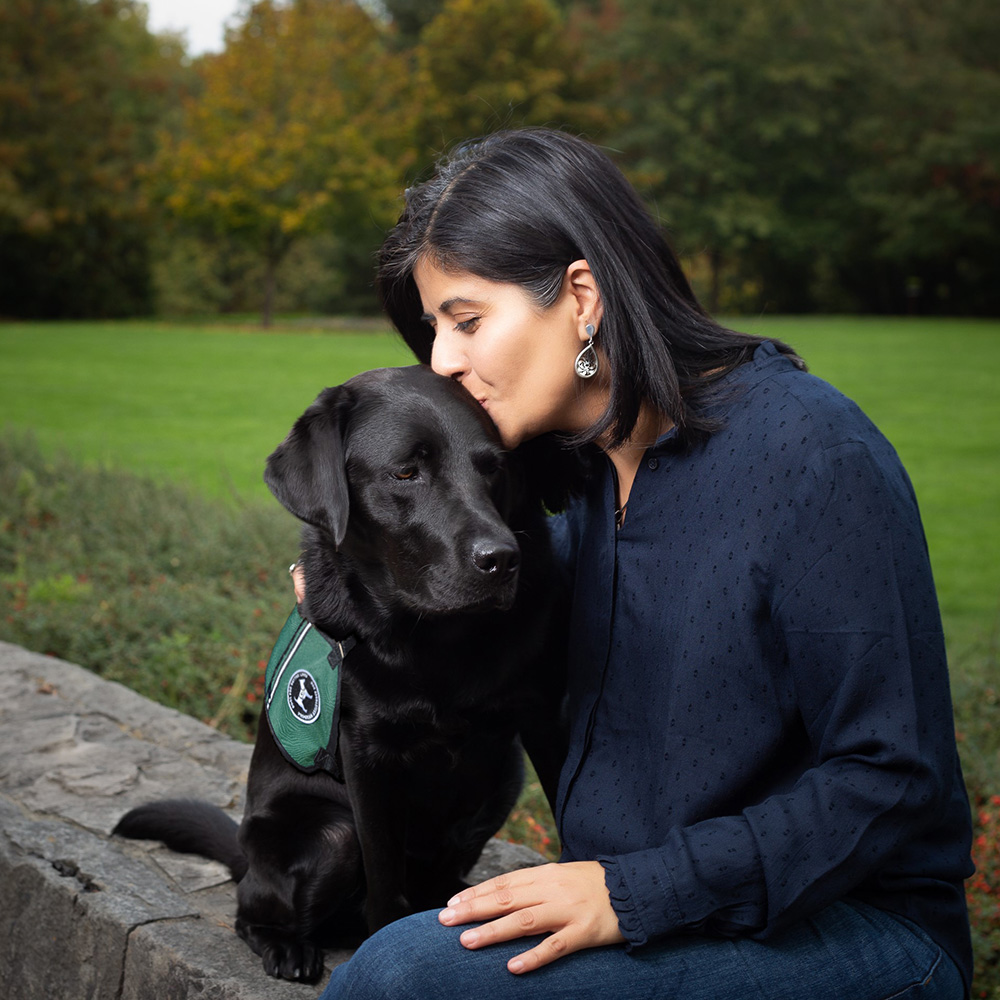

Many people with disabilities find their everyday lives enhanced by the support of Service Dogs. At Dogs for Better Lives, our mission is to help dogs and people live better lives, and we believe that by training our special pups for life as a Service Dog, we’re changing two lives.
Here are some of our most commonly asked questions about Service Dogs and the role that these amazing dogs play in our communities.
1. What is a Service Dog?
A Service Dog is a working dog specially trained to perform tasks to help someone with a disability or a specific need. Under the Americans with Disabilities Act (ADA), Service Dogs are granted public access rights when accompanied by their handlers. This means they are permitted in places where pets are typically not allowed, like:
- Restaurants and grocery stores.
- Hospitals and medical clinics.
- Public transportation (buses, trains, and planes).
- Retail centers and theaters.
2. Service Dog vs. Assistance Dog: What’s the difference?
In the United States, the term Service Dog is a legal designation used by the ADA. Globally, the term Assistance Dog is the industry term as used by Assistance Dog International. Assistance Dogs may fit a broader category of working dogs than Service Dogs.
Often, these terms are used interchangeably to describe dogs that have completed their skilled training to assist people with disabilities. You’ll see Dogs for Better Lives utilizes both terms.
3. How are Service Dogs different from Emotional Support Animals (ESAs) and Therapy Dogs?
There are legal distinctions between Service Dogs and Emotional Service Animals or Therapy Dogs. Service Dogs perform specific tasks or skills. They have full access to public settings where dogs are typically not allowed when they are with their handler. They receive specialized task training and continually work on their training to maintain their level of support.
Emotional Support Dogs provide comfort to their handler by being present. While they are protected by the Fair Housing Act and may be allowed in rental facilities where dogs are typically not permitted, they have limited public access with their handler. No training is required for ESAs.
Therapy Dogs provide comfort to others, but not a physical task. They do not have any special public access but may be invited into certain public settings. Therapy Dogs may receive some training, including basic obedience or Canine Good Citizen certification to maintain their status.
It’s important to note that placing a Service Dog vest on a pet to gain access to public spaces is not only unethical, but it can be illegal in some states. It also creates potentially dangerous distractions and access challenges for legitimate working teams.
4. What Tasks do Service Dogs Perform?
Service dogs are trained in tasks—specific physical actions that provide support to their handler. Some examples include:
- Hearing Assistance: Alerting handlers to smoke alarms, doorbells, or their name being called.
- Autism Assistance: trained tasks both in public and at home to assist with keeping children grounded and focused while presenting a social bridge for relationships and friendships.
- Mobility Support: Retrieving dropped items or opening doors.
- Medical Alerts: Detecting changes in blood sugar (Diabetic Alert) or alerting to an oncoming seizure.
- Facility Work: Assisting professionals in courtrooms, hospitals, child advocacy centers or schools to provide support to the populations they serve.
- Guide Dogs: Provide support to handlers with visual impairment.
- PTSD Service Dogs: Support individuals with Post Traumatic Stress Disorder by performing physical tasks .
5. Can Any Breed Become an Assistance Dog?
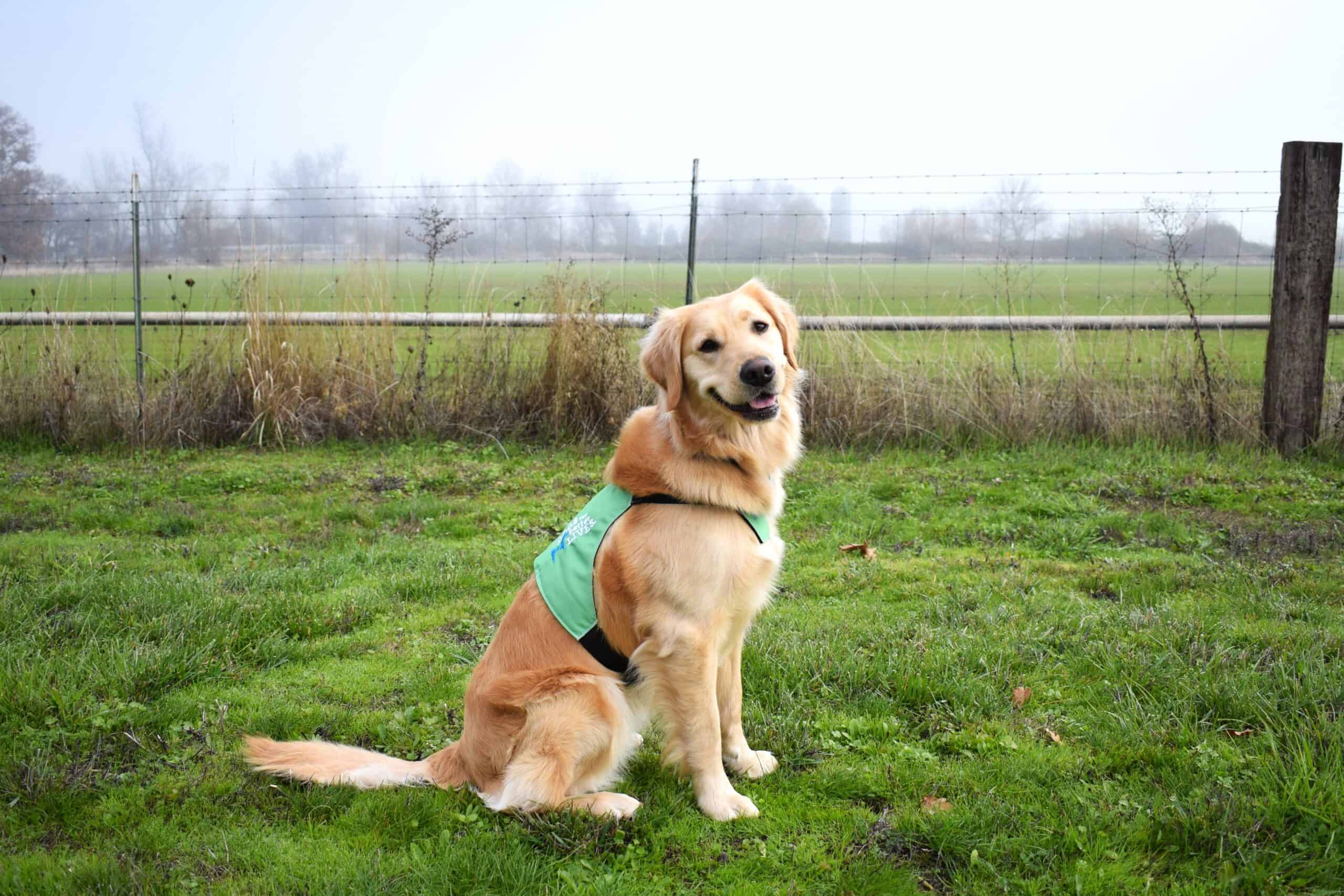
The most common Assistance Dog breeds are Labrador Retrievers, Golden Retrievers, German Shepherds, and Poodles or a cross among those breeds. Purpose-bred dogs in Dogs for Better Lives’ breeding program are typically Labs or Goldens, or a cross of the two breeds.
While these are the most typical breeds used as working dogs, any breed of dog can become a Service Dog – including mixed breeds. In addition to purpose-bred dogs, Dogs for Better Lives trains shelter dogs to become Service Dogs in its From Shelter to Service Dog Program. We choose dogs for our programs based on temperament and personality traits, like confidence, adaptability, and friendliness.
6. How Long Does it Take to Train a Service Dog?
It takes between four and six months of specialized training to become a Service Dog. Dogs for Better Lives Service Dogs are trained using positive reinforcement. The trainers reward good behavior and ignore or redirect undesirable behavior. Training includes obedience, socialization, and skill/task training from Certified Trainers at one of our campuses. Our dogs receive hundreds of hours of training before they are certified and placed as a working Service Dog.
7. How much does a Service Dog cost?
The average value of an Assistance Dog coming from DBL is $54,000, based on transport, veterinarian care, training, and placement, plus the ongoing lifetime training and support of the client/dog team.
Dogs for Better Lives places our dogs at zero cost to our clients, which is completely funded by private donations. Donations of any size can make a huge impact. Thanks to a longstanding endowment, 100% of all donations go directly to programmatic services. We offer many ways to support Service Dogs, from credit card, cryptocurrency, estate gifts, and monthly membership (The Pack). You can make a gift or learn about the many ways you can support our mission here.
8. How to Interact with a Service Dog Team
If you see a Service Dog Team out in public, you may wonder if you can approach or pet the dog or whether it’s appropriate to speak with the handler. There are some guidelines for interacting with Service Dog Teams.
Do:
- Speak to the person with a Service Dog first before acknowledging their dog and only interact if they’ve given you permission.
- If your pet dog is with you, maintain a reasonable distance to keep both dogs managed and under control. Generally, most Service Dog handlers do not want your dog to greet theirs.
- It’s okay to ask what tasks their Service Dog been trained to perform.
Don’t :
- Ask the handler what their disability is, or request proof of disability, paperwork for the dog, etc.
- Don’t feed or pet Service Dogs. Always assume the dog is working and do your best to not be a distraction.
9. How to Apply for an Assistance Dog?
Applications must be completed on our website: dogsforbetterlives.org/dogs during open application periods. Applicants are screened carefully to ensure they will benefit from receiving one of our dogs and are willing and able to maintain the dog’s training and care after the dog is placed with them.
There is no application fee or deposit required, but applicants do need to go through a process that involves a pre-screening questionnaire, an application, in-home interview, and waiting period.
10. How to Get Involved and Support Service Dogs?
You can volunteer and help make independence possible for people with disabilities through the incredible bond between humans and Service Dogs. Whether you want to volunteer with dogs or have another talent or skill you’d like to share, there are many ways to get involved – nationwide!
One of the greatest needs is for volunteer Puppy Raisers. Our puppy raisers receive a puppy at eight (8) weeks of age and continue to raise the puppy until it is between 14 to 16 months of age. During their time raising, they attend basic obedience classes with the puppy. They also go on public outings to expose the puppies to a multitude of different environments. After the year of raising and training, the puppies are ready to return to Dogs for Better Lives to begin their next step towards becoming an Assistance Dog.
Learn more about all our volunteer opportunities at: dogsforbetterlives.org/get-involved
Want to know more about Service Dogs?
Follow the adventures of our Service Dogs-in-training, hear stories from our clients, be the first to know about upcoming events, and much more! Sign up for our monthly email newsletter.