
There are many types of Assistance Dogs, dogs who are specially trained in task-work to support people with disabilities. Below are 7 of the most common types of Assistance Dogs you might encounter.
- Hearing Assistance Dogs serve adults who are hard of hearing or D/deaf. Dogs are trained to physically alert clients to sounds that are necessary for everyday safety and independence, such as smoke/fire alarms, doorbells, oven timers, and the cries of a baby.
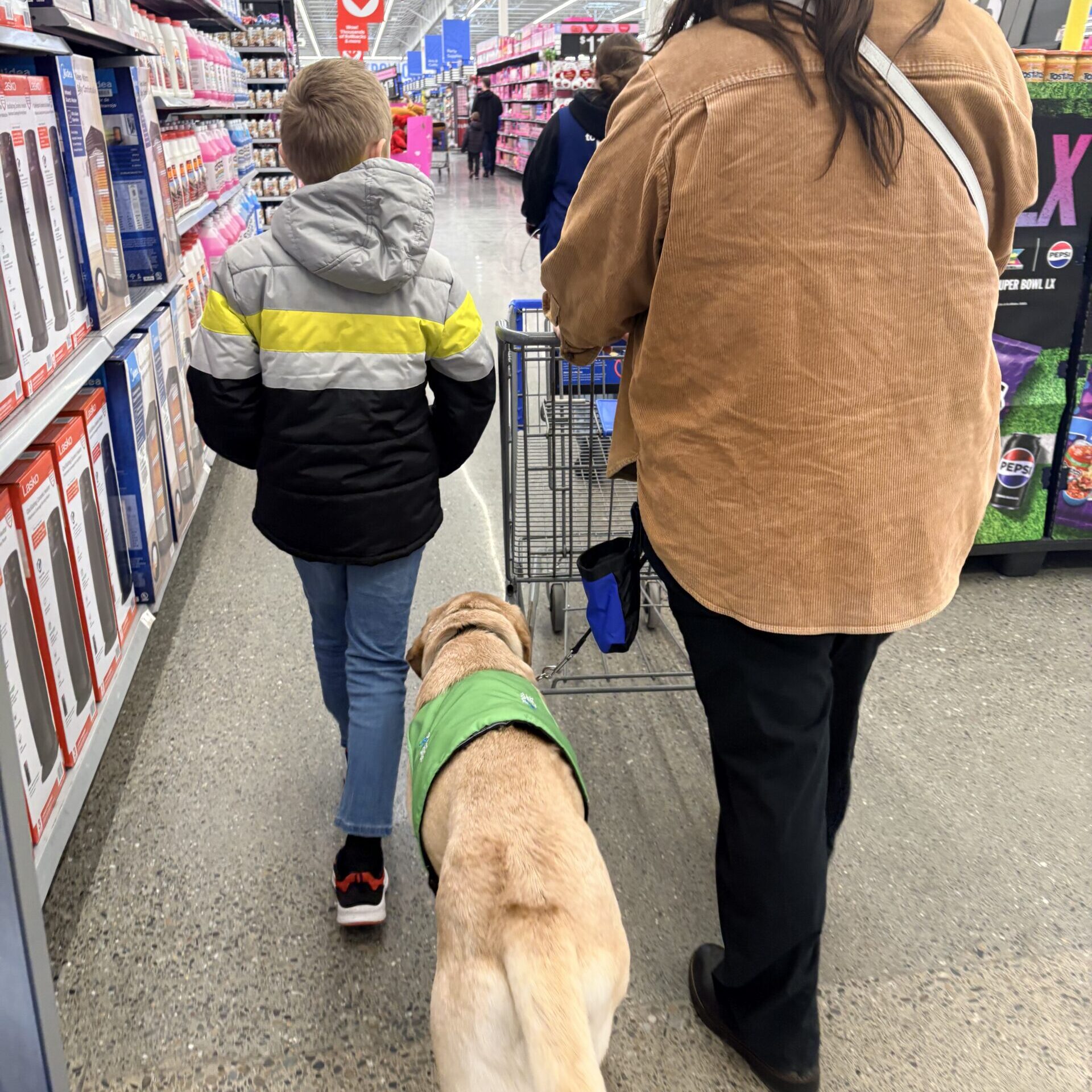
- Autism Assistance Dogs serve individuals who have been diagnosed with an autism spectrum disorder. They are extensively trained to enhance the well-being of children and families living with Autism. Our dogs provide trained tasks both in public and at home to assist with keeping children grounded and focused while presenting a social bridge for relationships and friendships. At Dogs for Better Lives, we specialize in providing Autism Assistance Dogs for children ages 4-12.
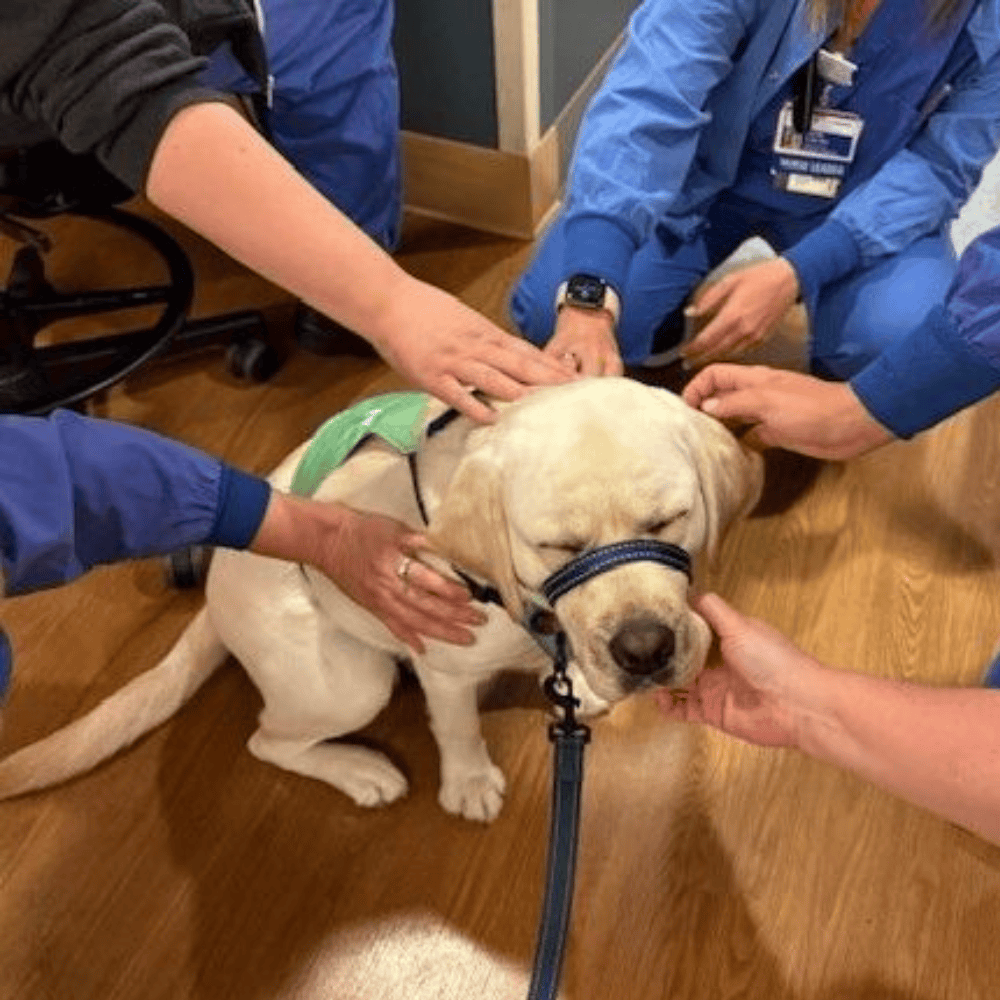
- Facility Dogs are trained to do specific, skilled tasks and placed with working professionals to help support them in their work with vulnerable populations and persons with disabilities. The dog accompanies the professional to work and the the professional utilizes the dog’s trained skills with patients, clients and students to enhance treatment, learning and development.
- Guide Dogs guide individuals who are blind or visually impaired. They are trained to help their handler travel independently and safely, assisting in navigating public transport or public spaces.
- Mobility Assistance Dogs assist their handler by performing a variety of tasks, like opening doors, picking up dropped or out of reach items, or providing other types of physical support.
- Medical Alert Dogs are trained to detect specific changes in their handler, like their scent or behavior. They then alert their handler or others to the onset of a medical episode. These dogs can provide support for individuals who experience seizures or diabetic episodes, among other conditions.
- PTSD Service Dogs support individuals with Post Traumatic Stress Disorder by performing physical tasks like interrupting anxiety, providing deep pressure therapy, or creating space for their handler when in a crowded environment, turning on lights, and more.
At Dogs for Better Lives, we train and place Hearing Assistance Dogs, Autism Assistance Dogs, and Facility Dogs, but there are many other types of Service Dogs. If you’re seeking an organization that provides a different type of Assistance Dog than we offer, visit Assistance Dog International to utilize their member search tool to help you find an organization that fits your needs.
Want to know more about Service Dogs?
Follow the adventures of our Service Dogs-in-training, hear stories from our clients, be the first to know about upcoming events, and much more! Sign up for our monthly email newsletter.